 Julian Smit
I thought I understood how our water system worked. A dry summer, a struggling well, and a neighbour’s leaky toilet proved otherwise.
Confidence is a funny thing when you’re new to off-grid living. You do the research, you learn the terminology, you figure out the difference between a cistern and a well, and you think: I’ve got this.
Then summer arrives. A dry one.
Our first full growing season — spring and summer of 2025 — was rewarding in almost every way. The garden was producing, the land was coming alive, and we were starting to feel genuinely at home. But water was quietly becoming a problem. The cistern needed filling more often than it should. The well was struggling. I was nursing both of them through the dry months and couldn’t figure out why.
Then we found the first mistake.
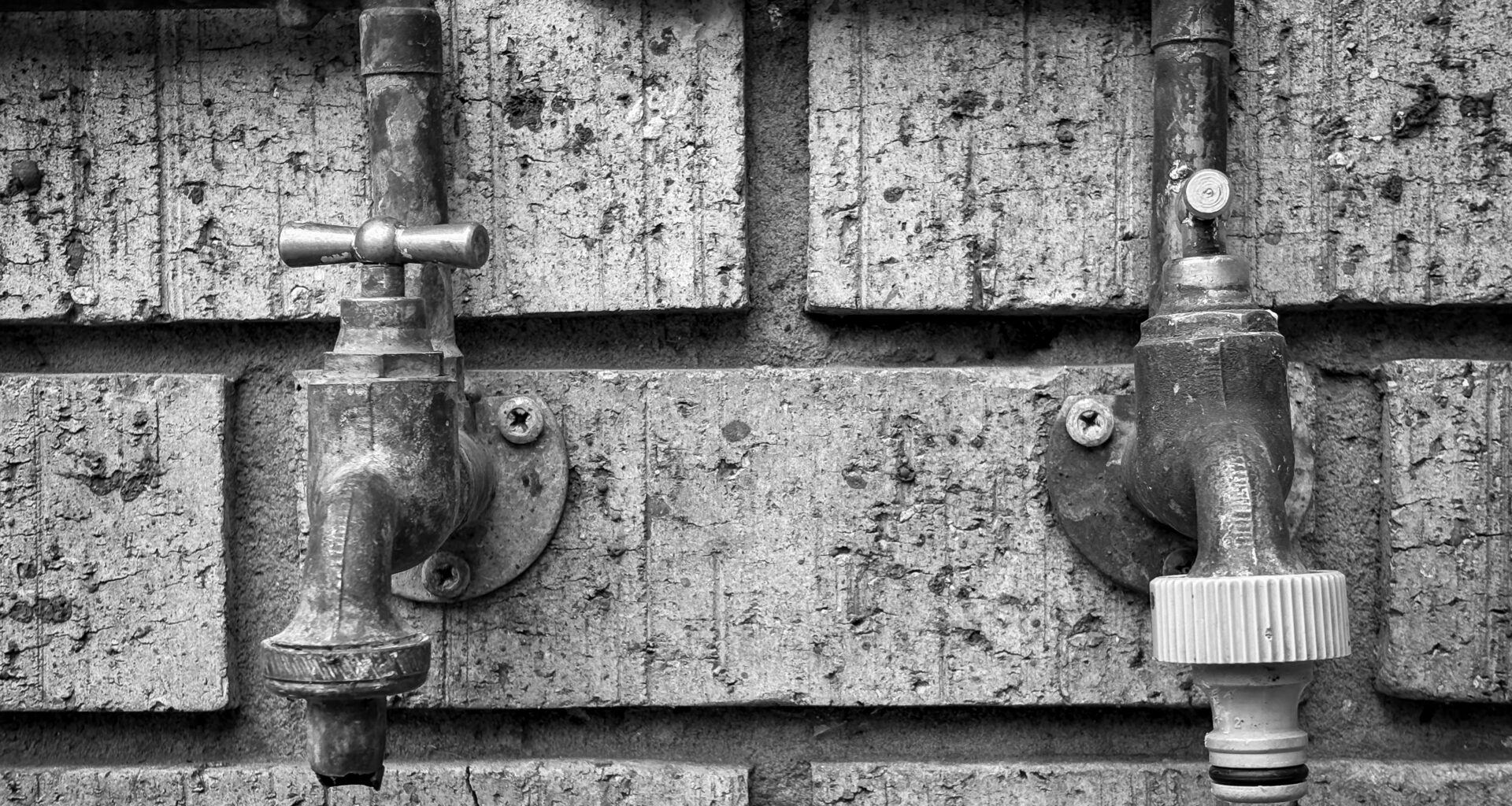
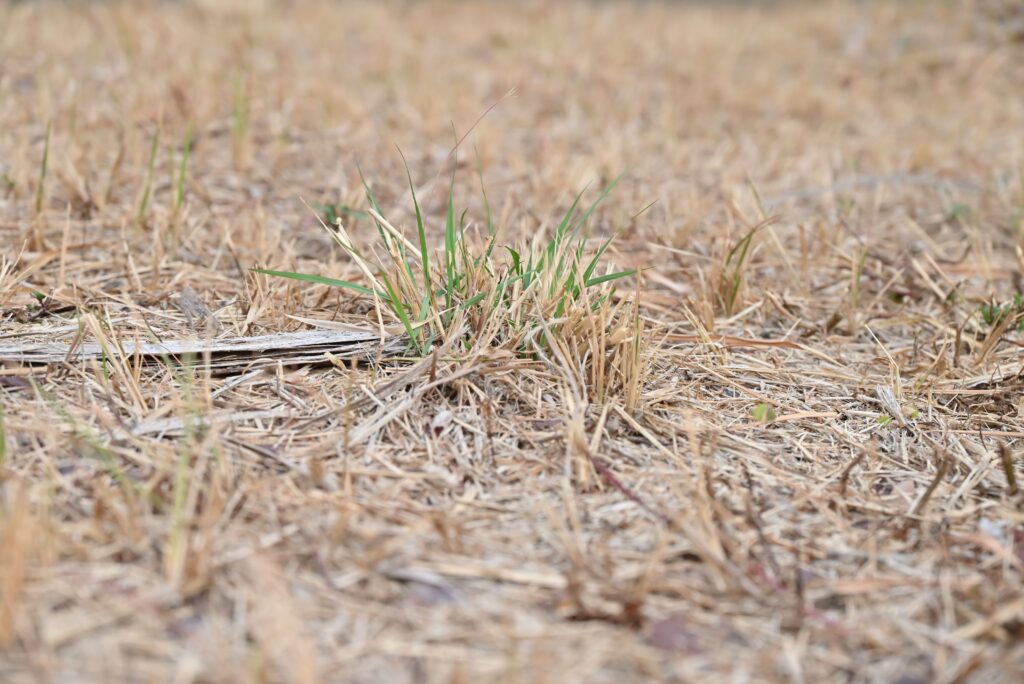
I had been watering the lawn from the back outdoor tap — carefully, I thought, so as not to drain the cistern. Turns out the back tap wasn’t drawing from the cistern at all. It was drawing from the well. All that lawn watering I thought was “safe”? I had been quietly emptying the wrong tank, the whole time.
That stung a little.
Then came the second discovery, which wasn’t even on our property. An elderly neighbour, connected to the same water table line, had a leaky toilet. Silently running, day and night, likely for months. Not their fault — these things happen — but it meant our well was fighting a battle on two fronts it didn’t know about.
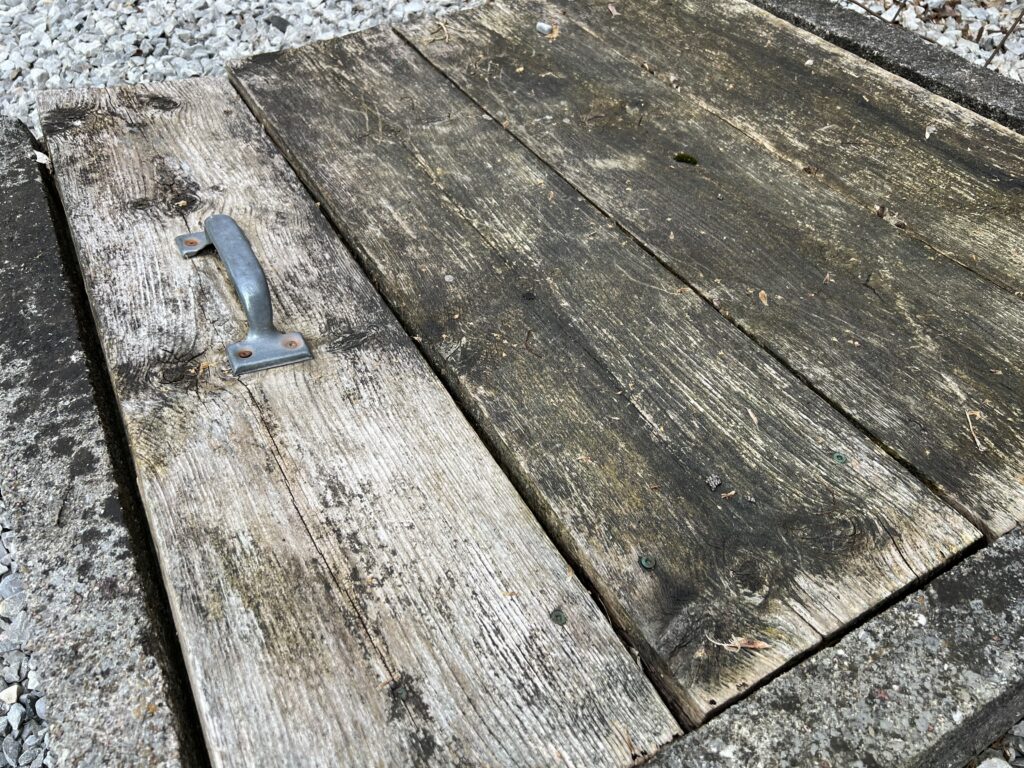
We got through the season. The cistern was filled multiple times. The well was primed once to get the pump going — though I’ll note for anyone reading this: filling a well beyond what’s needed is essentially a waste, since the water just drains back into the water table anyway. What you’re really doing is priming the system, not topping up a tank. That’s a distinction worth understanding before you call the water truck.
The pump itself needed replacing. Add that to the list of first-year lessons.
What I came away with isn’t a smarter water management strategy, exactly — though I have that now too. It’s something more basic: don’t assume you know how your systems work until you’ve watched them fail. The manual tells you the design. The land tells you the reality.
They’re not always the same thing.
[Next up: the garden itself — what worked, what didn’t, and why a dry summer is actually a decent teacher.]


 Julian Smit