 Julian Smit
Our first full growing season was rewarding, chaotic, and occasionally humbling. A dry summer has a way of clarifying what actually matters.
Nobody tells you that your first real garden will look, by midsummer, like a committee designed it.
Good intentions, poor planning, and the quiet optimism of seed packets will do that. By July of 2025 — our first full growing season — our vegetable beds had become a kind of beautiful anarchy. Tomatoes elbowing into everything. Herbs that had gone rogue. A general sense that things were growing, enthusiastically, wherever they felt like it.
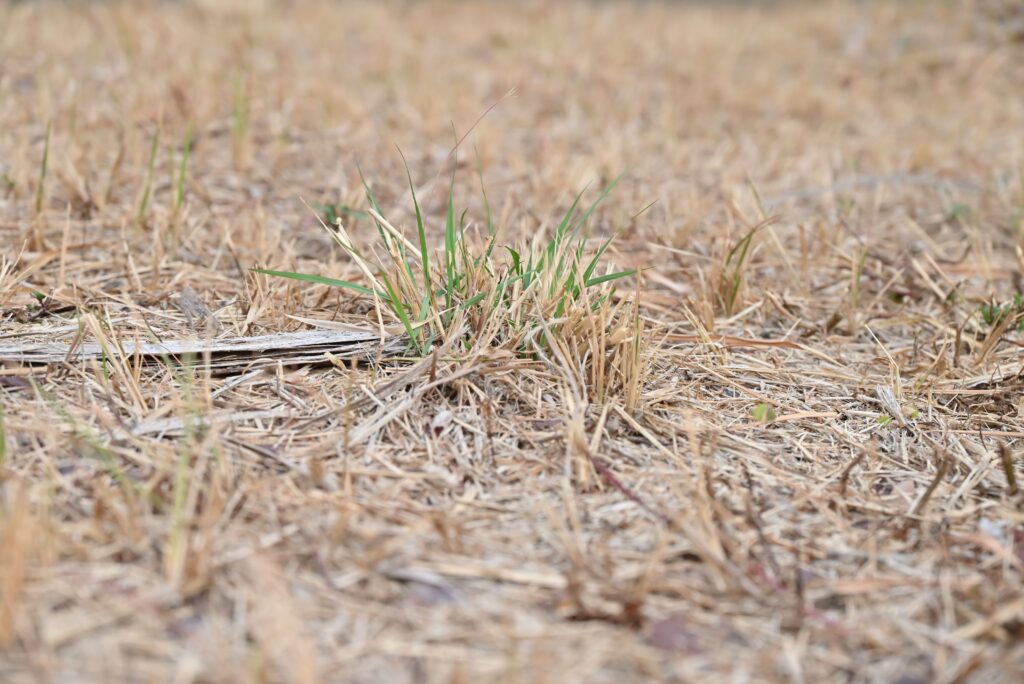
The season was dry. Genuinely, persistently dry — the kind of summer that separates the garden from the gardener. Sunny beds that looked promising in May turned demanding by August. Without the water management lessons we were simultaneously learning the hard way (see the previous post), we would have struggled considerably more than we did.
But we managed. And the dry heat, as it turns out, is a decent teacher.
It tells you which plants are serious and which ones are just taking up space. It tells you where your beds are too exposed, where they hold moisture well, and where the soil needs more work before next year. A well-watered garden in a wet summer forgives a lot of sins. A dry one doesn’t.
The biggest lesson wasn’t about water, or soil, or even plant selection. It was about organization. We had planted too freely, too hopefully, and without enough thought about what would grow into what. Tomatoes, given the chance, will take over. Everything needs more room than you think. And when you mix things carelessly, you spend the whole season playing referee instead of gardener.
Next year’s plan: proper separation. Dedicated zones. A little more discipline at the planting stage so there’s a lot less chaos at the harvest.
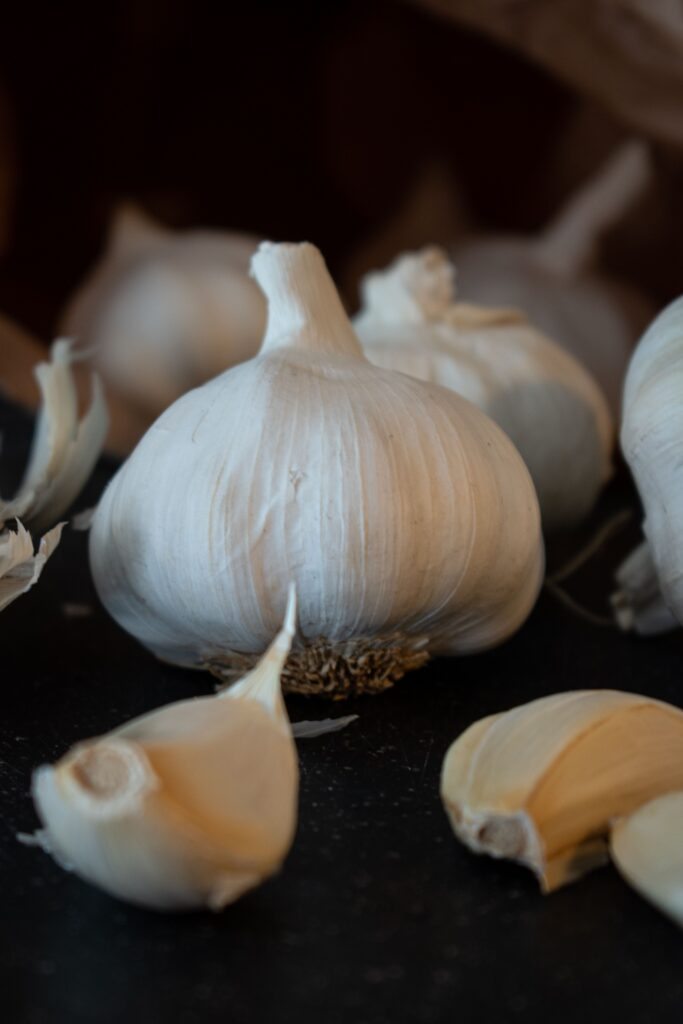
The garlic, for the record, was magnificent. Some things just know what they’re doing.
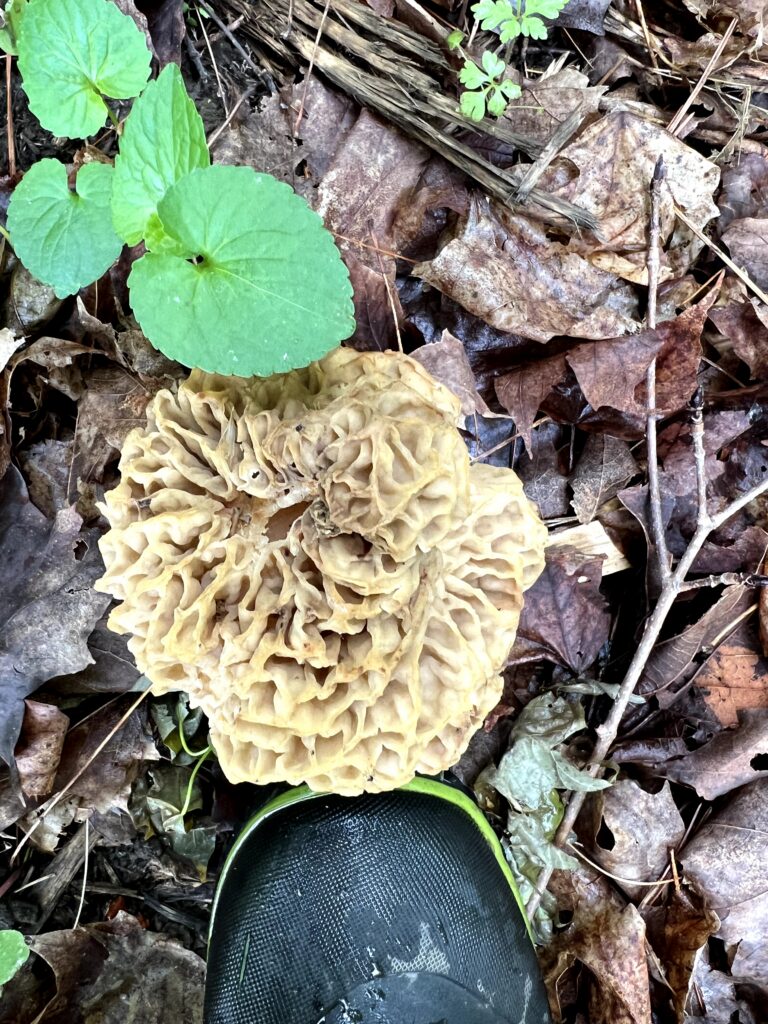
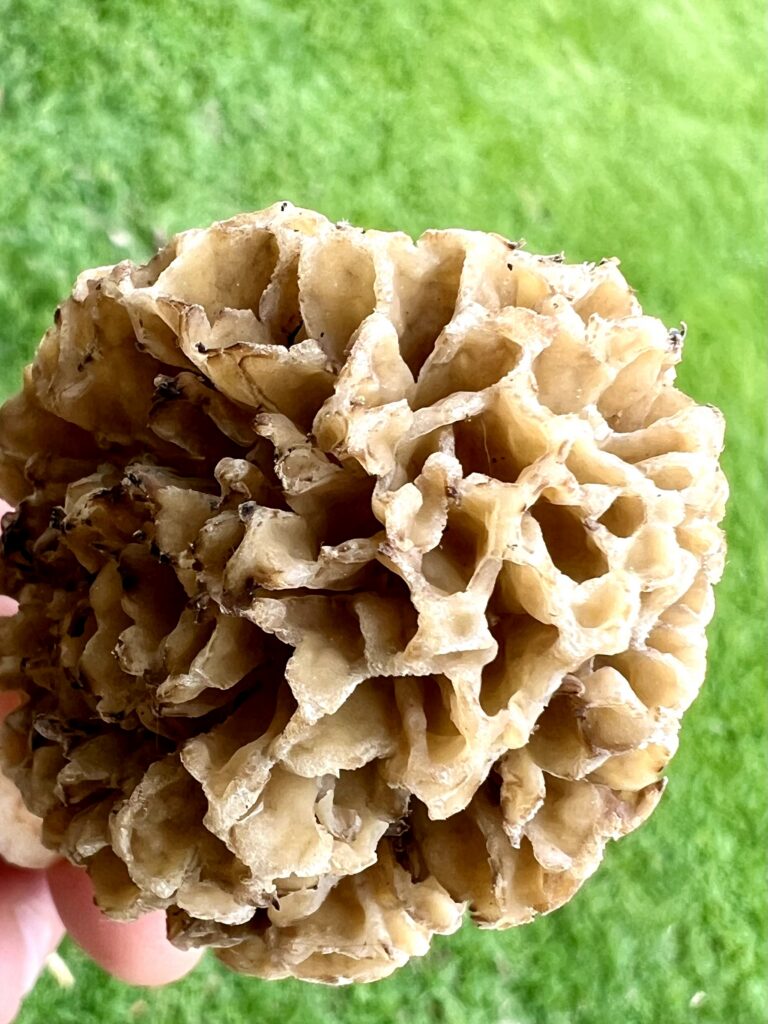
Oh and we had wild morels pop up in the forest!
A chaotic first garden isn’t a failure. It’s a draft. You learn where the light falls, how the soil behaves, what your land actually wants to grow. The second season, you come back with notes.
We have a lot of notes.
[Next: the forest around us has been going through its own upheaval — and it’s a story that’s still unfolding.]


 Julian Smit